

Tips for Finding Limited Edition Streetwear Designs
Table of Contents
- Understanding Limited Edition Streetwear and Why It Matters
- Where to Buy Limited Edition Streetwear
- How to Find Streetwear Drops Before They Sell Out
- How to Spot Authentic Streetwear and Verify Quality
- Building Your Limited Edition Collection Strategy
- Common Mistakes to Avoid When Hunting Limited Edition Pieces
- Frequently Asked Questions
Last Updated: October 21, 2026
Understanding Limited Edition Streetwear and Why It Matters
Limited edition streetwear represents clothing designed in small quantities with intentional scarcity. Brands release these pieces for short windows, making them harder to find and more desirable to collectors. The appeal lies in exclusivity, distinctive design, and the cultural status that comes with owning something few others have.
Streetwear culture values rarity. When a design drops for 48 hours before selling out, it creates urgency. Collectors hunt for pieces that reflect personal identity and taste. The graphic design, material quality, and brand reputation all factor into whether a piece becomes a keeper or a regrettable purchase.
Understanding where and how to find these drops separates serious collectors from casual shoppers. The difference between scoring a design you love and missing out often comes down to preparation and knowing where to look.
Where to Buy Limited Edition Streetwear
Finding the right retailer matters as much as finding the right design. Different channels serve different purposes in the streetwear ecosystem.
Brand Websites and Direct Releases
Brands announce drops directly on their own websites first. This is the most reliable source for authentic limited edition pieces.
Direct releases offer several advantages:
- You buy straight from the source with no middleman markup
- Authenticity is guaranteed
- You avoid counterfeit risk entirely
- Brands often ship quickly, especially if they operate from distribution centers close to you
Check brand websites regularly. Most streetwear labels post release schedules months in advance. Some announce drops via email newsletters before they go live on the site. Sign up for these lists to get early access.
Ortrends, for example, features made-to-order graphic apparel that ships fast from California. Their original designs reflect personal style and meaningful moments, making each piece feel intentional rather than mass-produced.

Specialized Streetwear Retailers
Boutique streetwear shops curate limited collections from multiple brands. These retailers stock pieces other channels don't carry.
Specialty retailers provide value through:
- Expert curation of emerging and established brands
- Access to exclusive drops not available elsewhere
- Staff knowledge about sizing, fit, and brand history
- Community events and early-access opportunities
Many specialty retailers operate both online and in physical locations. Building relationships with local shops gives you insider information about upcoming releases.
Social Media and Community Channels
Brands use Instagram, TikTok, and Twitter to announce drops and build hype. Following brand accounts directly is essential for staying informed.
Social platforms serve as:
- Official announcement channels for release dates and times
- Behind-the-scenes looks at design development
- Community spaces where collectors discuss pieces
- Teaser content that builds excitement before drops
Many brands post sneak peeks days or weeks before official release. This gives you time to prepare and decide if a design aligns with your collection goals.
How to Find Streetwear Drops Before They Sell Out
Most guides tell you to "turn on notifications" and stop there. That is not a system. A workable drop-hunting workflow has four stages: calendar, alerts, account prep, and checkout readiness. Build all four before a release you care about, and you stop relying on luck.
Build a Release Calendar Instead of Chasing Posts
A release calendar is a single document, a spreadsheet, a shared note, or a calendar app, where every known drop lives in one place. Add these fields for each entry:
- Brand and product name
- Drop date and exact release time, with the time zone written out
- Channel (brand site, boutique, app, in-person)
- Price and currency as listed
- Sizes you would actually wear
- Whether the release is final sale
- A link to the official announcement
Brands typically publish release schedules weeks or months ahead on their own sites and in email newsletters. Boutiques often post their own calendars. Consolidating both into one view prevents the classic mistake of discovering a drop the morning after it happened.
Set Alerts That Actually Reach You
Notifications only help if they arrive on a device you check. Layer your alerts so a single missed channel does not cost you the drop:
- Email newsletters: sign up on every brand site you follow. Newsletters usually announce release windows before social posts do.
- SMS or app push: enable these where offered, and confirm the permission is actually on in your phone settings.
- Calendar reminders: set one reminder 24 hours before and one 15 minutes before each drop.
- Community alerts: join brand Discord servers and relevant subreddits where members post links within minutes of an announcement.
Test each channel once with a low-stakes release. If a notification never arrives, you have found the gap before it costs you a piece you wanted.
Prepare Your Accounts Before Drop Day
Checkout speed is decided before the drop, not during it. Do this the day before:
- Create or log in to the brand's account and save your shipping address.
- Save a payment method if the site allows it.
- Confirm your size against the brand's own size chart, not a generic chart.
- Open the product page in a browser tab ahead of time if the brand publishes the URL early.
- Have your autofill or password manager ready so you are not typing card numbers under pressure.
A common pattern among experienced buyers is to complete a full checkout dry run on a non-limited item from the same brand. It surfaces account, address, or payment problems while there is still time to fix them.
Drop-Day Checkout Tactics
On the day itself, the goal is fewer decisions and fewer clicks:
- Log in 10-15 minutes early and confirm you are still signed in.
- Refresh the product page at the stated time rather than minutes before, early refreshes can land you on a cached page.
- Add your size and move straight to checkout; do not browse other items in the same session.
- If the site shows a queue or waitlist, stay on the page rather than opening duplicate tabs, which can trigger bot protections.
- Screenshot your order confirmation immediately, including the order number.
Know the Difference Between a Drop and a Restock
Not every release is a one-time event. Some brands run timed drops that sell out and never return; others restock popular designs in later windows. Read the brand's own language carefully. "Limited edition" and "made to order" mean different things: a made-to-order piece may stay open for a set window rather than selling out in minutes, which changes how urgently you need to act. Ortrends, for example, produces made-to-order graphic tees and hoodies, so the buying window behaves differently from a 60-second sellout drop. Match your urgency to the actual release model instead of assuming every drop is a race.
How to Spot Authentic Streetwear and Verify Quality
Counterfeits are common in resale, and limited pieces attract the most fakes because demand is high and supply is deliberately small. A practical authentication routine checks four things in order: the seller, the labels, the construction, and the paperwork. Work through them before you pay.
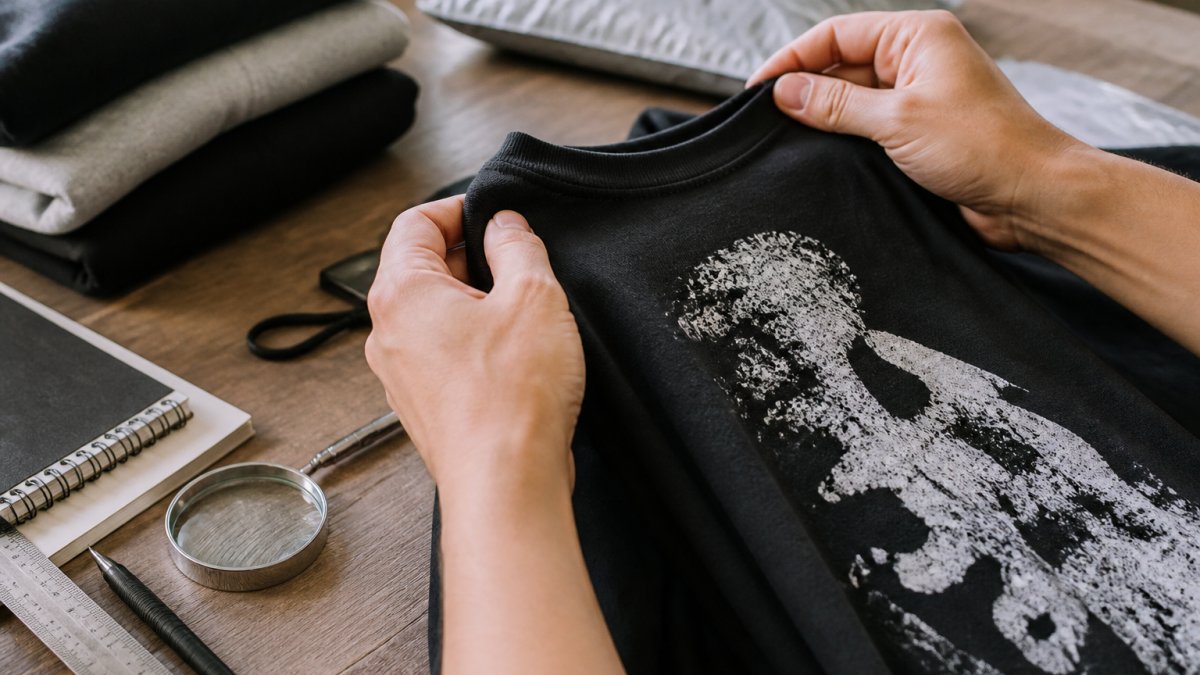
Start With the Seller, Not the Garment
The seller is the fastest filter. A questionable seller makes every other check moot.
- Buy direct when possible. Brand websites and authorized retailers listed on the brand's own site carry the lowest counterfeit risk.
- Check seller history on resale platforms. Look at account age, number of completed sales, and reviews that mention authenticity specifically, not just shipping speed.
- Ask for provenance. A legitimate seller can usually explain where and when the piece was purchased and whether original packaging or receipts exist.
- Use platform purchase protection. Pay through the platform's checkout so you have recourse if the item is fake or not as described. Off-platform payment requests are a red flag.
- Be wary of prices far below market. A limited piece priced dramatically under comparable listings is either a mistake or a counterfeit.
Check Labels, Tags, and Brand Markings
Labels are where counterfeits most often slip. Compare against a known-authentic piece from the same brand whenever you can.
- Neck label: check font, spacing, stitching, and material. Fakes often use slightly wrong fonts or uneven stitching.
- Care and content tags: authentic tags list fiber content and care instructions in consistent language. Misspellings and mismatched fiber percentages are warning signs.
- Brand-specific details: many brands use interior taping, woven side tags, or specific hangtag designs. Learn the details for the brands you collect.
- Serial or style codes: where a brand uses them, confirm the code matches the product and season.
Inspect Construction and Print Quality
Construction reveals whether a garment was made to last. Limited pieces from reputable brands use consistent stitching and durable printing.
- Stitching: seams should be even and tight, with no loose threads or skipped stitches.
- Print edges: graphics should be sharp, not blurry or bleeding into the fabric.
- Print feel: a quality print sits in the fabric rather than on top of it. A thick, waxy, or raised feel can indicate a cheap transfer.
- Color consistency: colors should be even across the graphic with no registration errors in multi-color prints.
- Fabric weight and hand: premium cotton blends feel substantial; counterfeit fabric often feels thin and pills quickly.
- Shape retention: the garment should hold its shape, with no twisting at the side seams.
Verify Fit Against the Brand's Own Size Chart
Fit is a quiet authenticity signal. If a piece fits dramatically differently from other items by the same brand, treat it as a question mark. Check the brand's published size chart and compare measurements, chest, length, and sleeve, against the listing. Ask the seller for flat measurements if they are not listed.
Confirm the Return and Purchase-Protection Terms
Before paying, read the seller's return policy and the platform's purchase-protection terms. Many limited items are final sale, which raises the stakes on every check above. If the terms are unclear, ask in writing and keep the response. A seller who will not answer basic questions about provenance or returns is telling you something.
Authenticity is a process, not a single glance. Check the seller first, then labels, construction, fit, and terms. If any one check fails, walk away, there will be another drop.
Building Your Limited Edition Collection Strategy
Collecting limited edition streetwear requires intentionality. Random purchases lead to closets full of pieces you rarely wear.
Choose Designs That Reflect Your Personal Style
Buy pieces that align with your aesthetic and lifestyle. Authentic personal style beats trend-chasing every time.
Define your style by:
- Identifying colors and graphics you naturally gravitate toward
- Noting which pieces you reach for most often
- Considering your daily environment and dress code
- Thinking about how you want to present yourself
- Choosing designs with meaning to you personally
Limited edition pieces cost more than mass-produced alternatives. Invest in designs you'll actually wear and love. A piece that sits unworn is money wasted, no matter how exclusive it is.
Plan Your Budget and Release Calendar
Set a realistic budget for collecting. Decide how much you'll spend monthly or quarterly on new pieces.
Create a release calendar by:
- Tracking brand release schedules
- Marking drop dates in your calendar
- Setting aside budget for pieces you want
- Prioritizing which drops matter most to you
- Planning for shipping and tax costs
Not every drop deserves your money. Be selective. Skip releases that don't align with your style or budget. This discipline keeps collecting sustainable and prevents impulse purchases you'll regret.
Common Mistakes to Avoid When Hunting Limited Edition Pieces
Collectors learn by making mistakes. Understanding common pitfalls helps you avoid expensive errors.
Skip buying without research. Always verify authenticity before purchasing from unfamiliar sellers. A few minutes of checking saves you from counterfeit waste.
Don't chase every drop. FOMO (fear of missing out) drives poor purchases. Stick to your collection strategy and pass on pieces that don't fit your vision.
Avoid overpaying on resale markets. Just because a piece is rare doesn't mean you should pay triple the original price. Set maximum prices for pieces you want and walk away if sellers ask more.
Never ignore return policies. Buy from sellers with clear return options. If something arrives damaged or inauthentic, you need recourse.
Stop sleeping on new brands. Established brands aren't the only source of quality streetwear. Emerging designers create innovative pieces that become collectible later.
Streetwear collecting rewards patience and knowledge. Build your collection thoughtfully. Focus on quality, authenticity, and pieces that genuinely matter to you. Over time, a curated collection tells your story better than a closet full of random drops ever could.
Frequently Asked Questions
How can I find out about streetwear drops before they sell out?
Follow brands directly on Instagram and TikTok, enable push notifications on brand websites, and join streetwear Discord communities where members share drop announcements in real time. Sign up for email lists from your favorite brands, many send drop previews 24-48 hours early. Check streetwear forums and subreddits daily, especially the morning of rumored release dates. The fastest collectors set phone reminders for announced drop times and have their payment information saved to checkout in seconds.
How can I tell whether a streetwear design is truly limited edition?
Authentic limited edition streetwear comes with a production number or certificate of authenticity from the brand. Check the product listing for explicit language like 'limited to 500 units' or 'one-time release.' Verify the brand's official website or social media to confirm the release details, counterfeiters often claim limited status without proof. Look for resale market data: genuine limited pieces hold or increase in value, while fakes drop quickly. Ask the seller for proof of purchase or original packaging if buying secondhand.
What should I check before buying limited edition streetwear?
Verify the seller's reputation and return policy before committing. Examine product photos for print clarity, seam quality, and fabric consistency. Check the garment's material composition and care instructions. Confirm sizing and fit by reading customer reviews or checking the brand's size chart. For made-to-order pieces, confirm the production and shipping timeline so you know exactly when to expect delivery.
How can I avoid counterfeit limited edition streetwear?
Buy directly from official brand websites or authorized retailers whenever possible. Check seller ratings, return policies, and customer reviews on resale platforms. Counterfeit designs often have blurry graphics, uneven stitching, or cheap fabric that feels thin or stiff. If a price seems too good to be true, it probably is. Request photos of tags, labels, and the back of the garment before purchasing secondhand.