

How to Spot High Quality Apparel: A 2026 Guide
Table of Contents
- Understanding Fabric Quality and Natural Fibers
- How to Tell If a Shirt Is Good Quality
- How to Identify Quality Stitching in Garments
- Inspecting Lining and Interior Construction
- Signs of Poor Quality Clothing to Avoid
- Best Materials for Custom Hoodies and Durability
- Evaluating Print Quality and Embellishments
- Inspecting Second-Hand and Thrift Apparel
- How to Spot High Quality Apparel Before Purchase
- Sustainable vs. Durable: Understanding the Difference
- Frequently Asked Questions
Last Updated: September 2, 2026
Understanding Fabric Quality and Natural Fibers
The foundation of high-quality apparel starts with what it's made from. Natural fibers like cotton, linen, wool, and silk have properties that synthetic materials simply can't replicate, they breathe better, age gracefully, and feel substantially different against your skin. When you're learning how to spot high quality apparel, understanding fiber composition is where the real work begins.
Most people assume all cotton is created equal. It isn't. Long-staple cotton (like Pima or Egyptian varieties) produces stronger, softer yarns than short-staple alternatives. The longer the fiber, the fewer weak points exist in the yarn, which means less pilling and greater durability over time. This is why a shirt made from quality cotton will outlast cheaper alternatives by years, not months.
Synthetic materials like polyester, nylon, and acrylic serve specific purposes, they dry faster, resist wrinkles, and cost less to produce. But they don't age the way natural fibers do. Synthetics tend to pill more readily, lose their shape faster, and can trap moisture against your skin. For everyday wear that needs to last, natural fibers consistently outperform synthetics.
Reading Fiber Content and Care Labels
The fiber content label tells you everything about what you're buying. Look for the percentage breakdown, a shirt listing "100% Cotton" is fundamentally different from one that says "65% Polyester, 35% Cotton." The order matters too; ingredients are listed by weight percentage, so the first fiber listed is the dominant material.
Care instructions reveal how manufacturers expect the garment to behave. If a label says "Wash cold, lay flat to dry," that's a signal the fabric needs gentle handling. Garments that can handle hot water and machine drying tend to be made from more durable, resilient materials. Pay attention to whether the label recommends bleach, specific water temperatures, or special drying methods, these details indicate how fragile or strong the construction actually is.
Shrinkage warnings matter more than most people realize. If a label warns about potential shrinkage, that's honest communication. Some fabrics shrink 3-5% in the first wash; others are pre-shrunk and stable. Understanding this difference prevents disappointment after your first laundry cycle.
Distinguishing Natural vs. Synthetic Materials
Here's a practical test you can perform in-store: the burn test. Hold a small thread from an inconspicuous seam near a lighter (do this carefully). Natural fibers burn with a smell similar to burning paper or hair, leaving ash. Synthetic fibers melt and smell like plastic. This isn't foolproof for blends, but it gives you immediate feedback about the dominant material.
The feel-and-stretch test works too. Natural fibers have a distinct hand-feel, cotton feels slightly textured, linen has a subtle roughness, wool feels warm and slightly springy. Synthetics feel smoother, sometimes plasticky. Stretch a small section gently; natural fibers return to shape more slowly and naturally, while synthetics snap back instantly.
Weight is another indicator. Hold two shirts of similar size, one natural, one synthetic. The natural fiber shirt will typically feel slightly heavier and denser. This density often correlates with durability. A lightweight synthetic shirt might feel insubstantial in your hands; quality natural fiber apparel has presence and weight to it.
How to Tell If a Shirt Is Good Quality
A quality shirt announces itself through multiple signals that work together. It's not one factor, it's the combination of fabric feel, construction integrity, and finishing details that separates premium pieces from disposable ones.
The Pinch Test and Hand-Feel Assessment
Grab the fabric between your thumb and forefinger and pinch gently. High-quality apparel resists this pinch test, the fabric springs back immediately. Lower-quality shirts show creasing that takes seconds to disappear, or sometimes doesn't disappear at all. This tests the fabric's recovery, which indicates fiber quality and how well the garment will hold its shape through washing and wearing.
Feel the surface texture carefully. Run your hand across the fabric in both directions. Quality shirts have a consistent, smooth surface with no pilling, loose fibers, or rough spots. Inferior apparel often has a slightly fuzzy or rough texture even when new, indicating poor fiber quality or weak spinning.
The weight test involves holding the shirt and assessing how substantial it feels. Drape it over your arm. Quality garments have enough weight and body that they hang naturally without clinging or looking flimsy. Thin, papery-feeling shirts typically won't survive more than a few dozen washes before looking worn out.
Weight, Drape, and Opacity Evaluation
Fabric weight, measured in grams per square meter (GSM), directly correlates with durability and longevity. A quality t-shirt typically weighs between 150-200 GSM. Anything below 140 GSM feels thin and fragile; above 200 GSM becomes heavy and potentially uncomfortable for everyday wear. Heavier doesn't always mean better, context matters, but within the t-shirt category, 160-180 GSM represents the sweet spot for durability without excess bulk.
Drape refers to how the fabric hangs and moves on your body. Hold the shirt at shoulder height and let it fall naturally. Quality apparel drapes smoothly, following body contours without clinging or bunching. Poor-quality shirts either cling awkwardly or hang stiffly. The way fabric drapes tells you about fiber quality, yarn construction, and finishing processes.
Opacity is crucial for dark-colored apparel especially. Hold the shirt up to light. You shouldn't see your hand clearly through quality fabric. If light passes through easily, the fabric is too thin or loosely woven. This matters because thin fabrics show sweat marks, wear faster, and generally look cheaper after a few washes.
How to Identify Quality Stitching in Garments
Stitching quality separates premium apparel from fast-fashion pieces more definitively than almost any other factor. This is where manufacturers either invest in precision or cut corners aggressively.
Stitch Density and Seam Allowance Standards
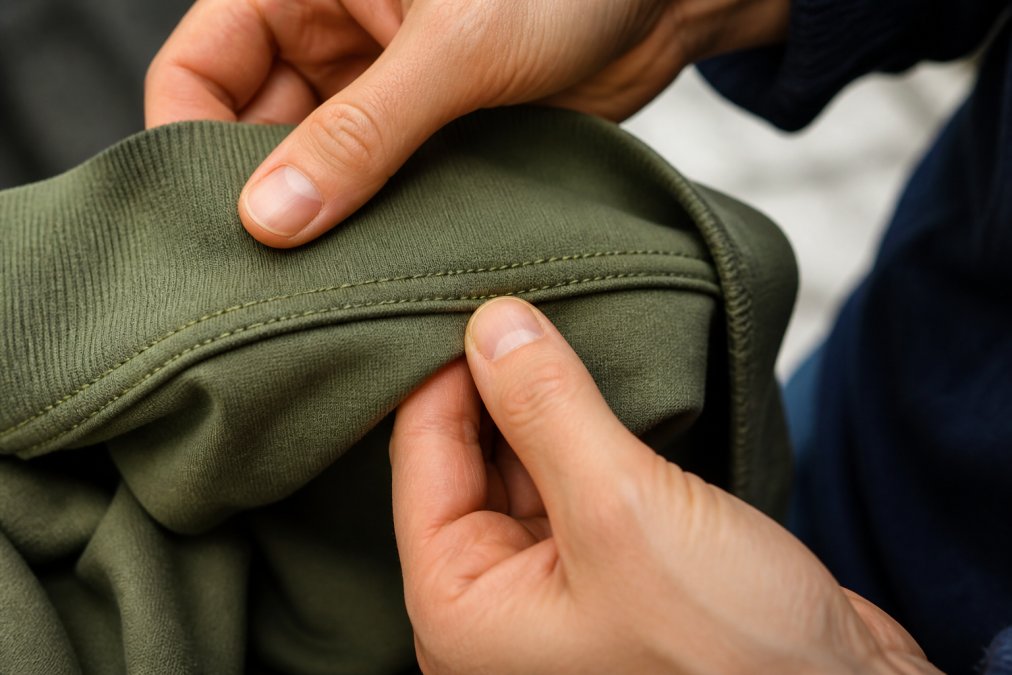
Examine the seams closely. Quality stitching shows consistent stitch density, the stitches are evenly spaced and uniform in size. Count the stitches per inch if you can; quality garments typically have 10-12 stitches per inch. Fewer stitches mean weaker seams that fail faster. More stitches create stronger construction but can sometimes make fabric pucker if not done correctly.
Seam allowance refers to the fabric between the stitching and the raw edge. Quality garments maintain adequate seam allowance, typically 0.5 inches or more. This extra fabric prevents seams from unraveling when stressed and allows for alterations later. Cheap garments skimp on seam allowance, leaving barely any fabric beyond the stitching. This is a false economy; it saves pennies in production but creates garments that fail within months.
Look at the thread color. Quality manufacturers match thread color precisely to the fabric. Mismatched thread is a visual red flag indicating careless production. The thread itself should look smooth and consistent, not frayed or fuzzy.
Buttonholes, Zippers, and Hardware Quality
Buttonholes reveal construction standards immediately. High-quality buttonholes have clean, reinforced edges with tight, even stitching all around. The hole itself should be precisely sized, not too large or too small. Poor-quality buttonholes look ragged, have uneven stitching, or show fraying at the edges.
Test the buttons. They should be sewn on securely with multiple passes of thread creating an X or cross pattern underneath. Cheap buttons are often sewn on hastily with just one or two passes. Wiggle the button gently; if it moves or feels loose, that button will fall off within weeks.
Zippers are where many manufacturers cut corners. A quality zipper slides smoothly without catching, and the pull tab feels solid and well-attached. Open and close it several times. If it sticks, grinds, or feels rough, that zipper will fail. The zipper tape (the fabric the zipper is sewn to) should be reinforced and well-stitched.
Hardware like snaps, rivets, and metal accents should feel substantial and be securely attached. Cheap hardware feels thin and plasticky. Press on metal buttons or snaps; they shouldn't flex or feel loose.
Inspecting Lining and Interior Construction
The interior of a garment reveals what manufacturers really care about. Quality apparel invests in proper lining and finishing details that never show but dramatically affect durability and comfort.
Lining serves multiple purposes, it provides structure, hides seams and construction details, and improves drape. Quality garments use natural fiber linings (cotton, silk) rather than cheap synthetics. Feel the lining; it should be smooth and securely attached. Loose or poorly sewn lining creates bulk and looks cheap.
Check how seams are finished on the inside. Quality apparel uses techniques like French seams (where raw edges are enclosed) or bound seams (where edges are covered with bias tape). These finishing methods prevent fraying and add durability. Budget garments often have raw, unfinished seams that unravel with washing.
Look at how the neckline is finished. Quality shirts have a reinforced neckline with proper binding or facing. The stitching should be tight and even. Poor-quality necklines look loose and often stretch out immediately because the binding wasn't done correctly.
Signs of Poor Quality Clothing to Avoid
Knowing what to avoid is just as important as knowing what to seek. Certain red flags appear consistently in poorly made apparel.
Common Construction Flaws and Visual Red Flags
Uneven hems are an immediate sign of careless production. Run your finger along the hem; it should be straight and consistent. Wavy or crooked hems indicate rushed manufacturing. Similarly, check that seams run straight down the sides and back. Crooked seams suggest poor quality control.
Puckering around seams indicates either incorrect tension during sewing or poor fabric quality. When you see small wrinkles or bunching along seams even on a new garment, that's a manufacturing defect that won't improve with washing.
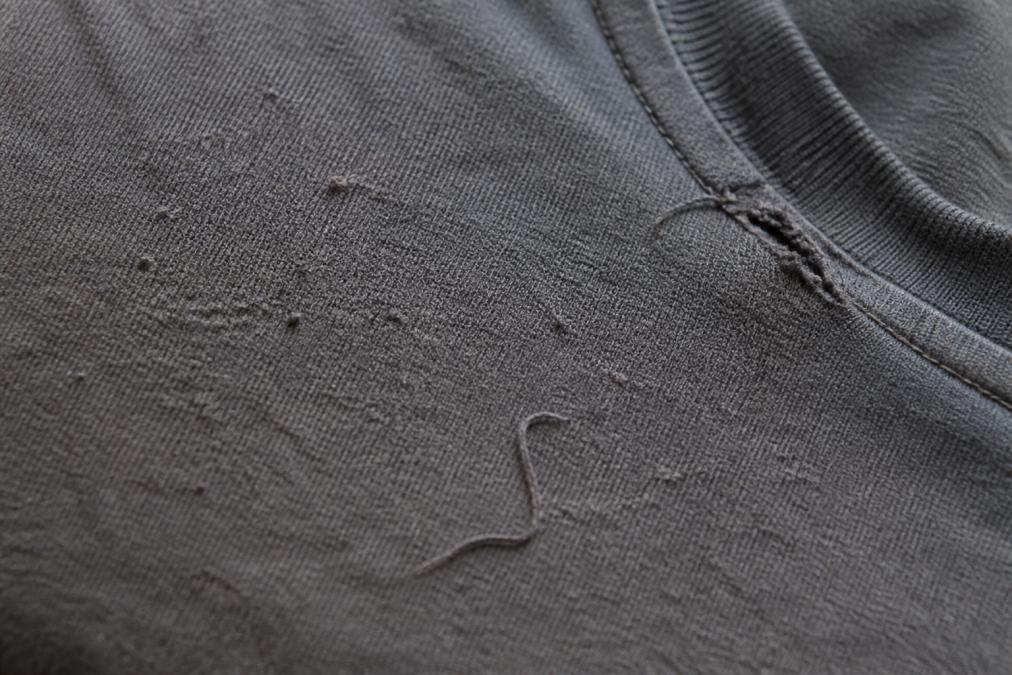
Loose threads hanging from seams or hems are red flags. While a few loose threads are normal, excessive loose threads indicate poor finishing. Snip them off, but understand that this garment will likely continue shedding.
Misaligned patterns are particularly visible on printed or patterned apparel. If stripes don't match at the seams or patterns are off-center, that's careless cutting and sewing. This doesn't affect durability but signals low quality control standards.
Pilling, Shrinkage, and Colorfastness Failures
Pilling, those little balls of fiber that form on fabric surfaces, happens to all garments eventually, but quality apparel resists it much longer. Examine the fabric closely with your eyes and fingers. If you see any pilling on a new garment, the fabric quality is poor. Low-quality synthetics and weak natural fiber blends pill almost immediately.
Shrinkage surprises ruin many purchases. Ask about pre-shrinking or check the label carefully. Quality manufacturers pre-shrink fabric, meaning the garment won't shrink significantly in home washing. If the label warns about potential shrinkage, that's honest but also a sign the fabric wasn't properly treated during production.
Color fading is another durability indicator. Examine dark colors carefully; if the fabric looks slightly faded or uneven in color even when new, the dye wasn't properly set. Quality apparel maintains color saturation through dozens of washes. Poor-quality dyes fade noticeably after just a few washes.
Test colorfastness by rubbing a white cloth against the garment. If significant color transfers to the white cloth, the dye isn't properly set. This garment will bleed onto other clothes in the wash and fade quickly.
Best Materials for Custom Hoodies and Durability
When you're investing in custom apparel like hoodies, material selection becomes even more critical. A hoodie is a workhorse piece that needs to withstand heavy use, frequent washing, and years of wear.
Fabric Weight and Breathability for Active Wear
Hoodies demand heavier fabric than regular t-shirts, typically 200-280 GSM (astm.org). This weight provides warmth, structure, and durability. Anything below 180 GSM feels thin and cheap for a hoodie; above 300 GSM becomes overly heavy and less breathable.
Breathability matters more than many people realize, especially for hoodies worn during active situations. A hoodie that traps all moisture becomes uncomfortable and develops odor problems quickly. Quality hoodies use fabric that allows some moisture vapor to escape while still providing warmth. This balance separates premium hoodies from cheap alternatives that feel like wearing plastic.
The fabric composition affects both weight and breathability. A 100% cotton hoodie at 240 GSM feels natural and breathes well. A polyester blend at the same weight might feel plasticky and trap moisture. This is why material composition and weight work together, you need both pieces of information to assess quality.
Check the inside of the hoodie. Quality hoodies have a soft, brushed interior (called fleece or terry) that provides comfort and warmth. The brushing should be even and consistent. Cheap hoodies have thin, rough interiors that pill immediately and lose their softness after a few washes.
Post-Wash Performance and Long-Term Durability
The real test of quality is how apparel performs after multiple wash cycles. A hoodie that looks great new but looks terrible after 10 washes is ultimately a poor investment.
Quality hoodies maintain their shape through dozens of washes. The fabric doesn't shrink excessively, the color doesn't fade noticeably, and the interior doesn't pill or flatten. This durability comes from proper fiber quality, correct construction techniques, and appropriate finishing processes.
Test longevity by asking about the brand's reputation for durability. Ortrends, for example, focuses on premium materials and construction specifically because their audience, nurses working long shifts, pet lovers who wear their hoodies frequently, people seeking investment pieces, needs apparel that lasts. When a brand emphasizes durability in their product descriptions, they're making a promise about post-wash performance.
The care instructions matter here too. A hoodie requiring cold-water hand washing will last longer than one that can handle hot-water machine drying. This isn't necessarily a negative, it just means you need to understand the commitment required to maintain the garment properly.
Evaluating Print Quality and Embellishments
For graphic apparel, the print quality determines whether the design lasts or fades, cracks, and peels.
DTG and Direct-to-Garment Print Durability
Direct-to-Garment (DTG) printing is a modern technique that injects ink directly into the fabric fibers. This differs from screen printing, which applies ink to the surface. DTG prints integrate with the fabric, meaning they're more durable and less prone to cracking. Quality DTG printing maintains color vibrancy through dozens of washes and years of wear.
Examine printed designs carefully. Quality prints show crisp, clean edges with no bleeding or color bleeding into surrounding fabric. The colors should be vivid and consistent. Hold the printed area up to light; quality DTG prints show the ink has penetrated the fabric rather than sitting on top.
Feel the print. Quality DTG printing feels like part of the fabric, you might barely feel it or feel a slight texture. Poor-quality prints feel plasticky and raised, like they're sitting on top of the garment. This surface-level application cracks and peels with normal wear.
Test the print durability by gently rubbing it. Quality prints don't flake or crack. If you can see ink particles coming off, the print quality is poor. This is a significant concern because a cracked print can't be repaired, you're left with a damaged garment.
The color choice affects durability too. Light colors on dark garments show wear more obviously. Quality manufacturers use proper underbase techniques (applying a white layer first) to make light-colored prints pop on dark shirts while maintaining durability.
Inspecting Second-Hand and Thrift Apparel
Second-hand shopping requires different evaluation criteria. You're assessing both the original quality and how well the garment has aged.
Start with the same fabric and construction checks as new apparel, but add wear assessment. Examine seams for fraying or separation. Check for stains, holes, or damage that might be permanent. Feel the fabric, does it still have body and recovery, or has it become thin and limp?
Pilling is more acceptable in second-hand pieces, but excessive pilling suggests either poor original quality or harsh washing. Fading is normal in worn garments, but uneven fading suggests either poor dye quality or careless washing.
Test zippers and buttons thoroughly. In second-hand apparel, these components have already been stressed. If a zipper sticks or a button is loose, replacing it is part of the second-hand commitment. Assess whether the garment is worth the repair investment.
Look for signs of alterations. Visible seams that have been let out or taken in indicate the garment has been modified. This isn't necessarily negative, but it affects fit and potentially durability if alterations were done poorly.
How to Spot High Quality Apparel Before Purchase
Before you commit to buying, develop a systematic evaluation process that takes just a few minutes but catches quality issues early.
Questions to Ask Sellers and Brand Transparency
Ask about fiber content, fabric weight, and care requirements. Sellers who can answer these questions confidently are investing in quality. Those who respond vaguely or seem uncertain are selling commodity apparel.

Request information about manufacturing and construction methods. Does the brand use quality stitching techniques? Are seams finished properly? Are there specific durability guarantees or warranties? Brands confident in their quality often highlight these details.
Inquire about return policies. Brands offering generous return windows and free returns are signaling confidence in their product quality. They expect customers to keep the garments because they'll be satisfied. Restrictive return policies can indicate the opposite.
Ask about post-purchase performance. What happens if a seam splits or a button falls off? Do they offer repairs or replacements? Brands standing behind their products provide support.
For custom apparel like what Ortrends offers, ask about the specific materials used. Ortrends uses premium materials specifically selected for durability, and they're transparent about this commitment. Understanding why a brand chose particular materials tells you they've invested thought into quality.
Sustainable vs. Durable: Understanding the Difference
These terms are often conflated, but they mean different things. Understanding the distinction helps you make smarter purchasing decisions.
Sustainable apparel focuses on environmental impact, how the garment is produced, what resources it uses, and what happens to it at end-of-life. A sustainable shirt might be made from organic cotton using eco-friendly dyes and minimal water. Durable apparel focuses on longevity, how long the garment lasts and how well it maintains quality through use.
The ideal is apparel that's both sustainable and durable. A shirt that lasts 10 years rather than 1 year is inherently more sustainable because you're not replacing it constantly. But a sustainable shirt made from poor materials might fall apart quickly, negating the environmental benefit.
When evaluating apparel, consider both factors. A premium, durable shirt from a brand like Ortrends that uses quality materials and construction represents a better long-term value than buying cheap replacements repeatedly. The initial investment is higher, but the cost-per-wear becomes lower when the garment lasts years rather than months.
Quality apparel requires knowledge to identify, but the effort pays dividends. When you know how to spot high quality apparel, examining fabric composition, construction integrity, and finishing details, you make purchases that actually last. You avoid the frustration of watching prints crack, seams fray, and colors fade after a few washes.
At Ortrends, we've built our reputation on the principle that quality never fades. Our made-to-order graphic apparel uses premium materials like garment-dyed cotton with proper stitch density, reinforced seams, and DTG printing that integrates with the fabric. We focus on durability specifically because our customers, nurses working demanding shifts, pet lovers expressing their passion, people seeking meaningful self-expression, need apparel that keeps up with their lives. When you invest in quality pieces from Ortrends, you're not just buying a shirt or hoodie; you're getting a garment designed to last years while maintaining its appearance and comfort. Shop Now and experience the difference that genuine quality makes.

Frequently Asked Questions
What is the pinch test for fabric quality?
The pinch test involves gently pinching the fabric between your fingers to assess its weight, density, and hand-feel. Quality fabrics feel substantial and smooth without excessive looseness or thinness. Pinch the material for a few seconds, if it springs back quickly and maintains its shape, that signals good tensile strength. Cheap fabrics often feel thin, limp, or overly stiff. This simple tactile check helps you spot high quality apparel instantly without tools.
How can you tell if a shirt is good quality by looking at stitching?
Inspect the seams for consistent, tight stitches with no gaps or loose threads. Quality stitching shows high stitch density (typically 10-12 stitches per inch) and follows straight lines. Check that seams are reinforced at stress points like shoulders and armpits. Look inside the garment for finished seams and proper seam allowance, at least 0.5 inches of fabric beyond the stitch line. Poor quality shirts have uneven stitches, puckered seams, or loose threading that fails after a few washes.
Does a higher price tag always mean higher quality clothing?
Price alone doesn't guarantee quality. Many factors affect cost including brand markup, marketing, and production location. However, premium brands typically invest in better fabric, construction, and durability standards. When evaluating price, examine the actual materials, stitching, and hardware rather than trusting the tag. A $28.99 garment made from quality cotton with reinforced seams may outperform a $50 piece with thin fabric and poor construction. Compare what you're actually paying for, not just the number.
What should you look for in custom graphic apparel quality?
For custom graphic pieces, inspect both the garment base and the print. The base should meet all standards for natural fibers, stitching, and weight. For prints, check that the design adheres firmly without cracking or peeling at the edges. DTG (direct-to-garment) printing bonds ink directly to fabric fibers, offering better durability than screen printing on cheap bases. Feel the print, quality applications feel soft and integrated with the fabric, not plastic or raised. Ask sellers about their printing method and ink washability guarantees.
How do you distinguish between natural and synthetic fiber quality?
Natural fibers like cotton, linen, and wool breathe better and soften with washing, while synthetics like polyester resist wrinkles and shrinkage. High-quality natural fibers feel smooth and have consistent color throughout. Check the fiber content label, 100% cotton or wool blends typically indicate investment pieces. Synthetic fabrics should feel smooth without a plasticky texture. Quality synthetics maintain their shape and color after multiple washes. Low-quality natural fibers pill easily and lose shape; poor synthetics feel stiff and degrade quickly.
What are the tell-tale signs of high-quality stitching?
High-quality stitching is invisible or nearly invisible from the outside, with consistent tension throughout. Seams should lay flat without puckering or twisting. Count stitches per inch, quality garments have 10-12 stitches per inch, creating a tight, durable seam. Check that thread color matches the fabric. Reinforced stitching appears at high-stress areas like sleeve attachments, collar seams, and side seams. Poor stitching shows loose, uneven lines, skipped stitches, or thread that pulls away from seams during wear.
How can you tell if fabric is durable just by touching it?
Durable fabrics have substantial weight and tight weave structure you can feel when you rub them. Run your thumb across the surface, quality fabric resists pilling and feels smooth. Gently pull the fabric; it should have tensile strength and resist tearing. Feel the hand-feel (the way fabric feels against skin), durable materials feel soft but structured, not limp or overly stiff. Cheap fabrics feel thin, loose, or have a waxy coating that breaks down quickly. The weight alone signals durability; heavier fabrics generally outlast lightweight alternatives.
What is the 3-3-3 rule for clothing quality?
The 3-3-3 rule suggests evaluating three aspects of quality: construction (seams, stitching, hardware), fabric (weight, composition, durability), and design (proportions, fit, originality). Each category deserves equal attention when assessing whether apparel is worth the investment. A garment excelling in all three areas delivers lasting value, while weakness in any single category signals compromise. This framework helps you avoid pieces that look good initially but fail in durability, comfort, or wearability over time.
This article was written using GrandRanker